
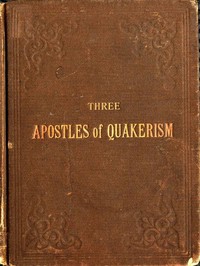
Three Apostles of Quakerism: Popular Sketches of Fox, Penn and Barclay by Rhodes
Benjamin Rhodes's Three Apostles of Quakerism is exactly what its subtitle promises: popular sketches. It doesn't bury you in dates and theological debates. Instead, it introduces you to three founders of the Quaker movement as if they were characters in a compelling drama.
The Story
The book follows three key figures. First, there's George Fox, the passionate and stubborn founder. He's the one who started it all, wandering the English countryside, preaching that everyone had an "Inner Light" from God, which rattled the established church. Then comes William Penn, the nobleman who used his wealth and connections to protect the persecuted Quakers and eventually founded Pennsylvania as a "holy experiment" in religious tolerance. Finally, there's Robert Barclay, the brainy Scotsman who wrote the book that explained Quaker beliefs to the world in a logical, systematic way. Rhodes shows how their unique talents—vision, political savvy, and intellect—combined to turn a radical spiritual impulse into a lasting faith.
Why You Should Read It
What makes this book stick with you is seeing how these ideas, which seem so normal now, were once dangerous. The Quakers' refusal to bow, swear, or fight wasn't just quirky; it was a direct challenge to the whole social order. Reading about Penn arguing for religious liberty or Barclay crafting a theology of peace, you realize you're watching the early blueprints for concepts we now take for granted. It's surprisingly personal, too. You feel Fox's frustration in prison, Penn's struggle to balance his faith with court politics, and Barclay's drive to make sense of it all on paper.
Final Verdict
This book is perfect for curious readers who enjoy biographies or the stories behind big ideas. You don't need to know anything about Quakers or theology. If you've ever wondered where some of our modern values around conscience, equality, and peace came from, this is a friendly and insightful guide. It's short, focused, and connects the 1600s directly to our world today. A great read for a quiet afternoon that will leave you thinking long after you finish the last page.
This book is widely considered to be in the public domain. Thank you for supporting open literature.
Daniel Martin
1 year agoBased on the summary, I decided to read it and the character development leaves a lasting impact. Truly inspiring.

Amanda Hill
4 months agoI was skeptical at first, but the storytelling feels authentic and emotionally grounded. Absolutely essential reading.