
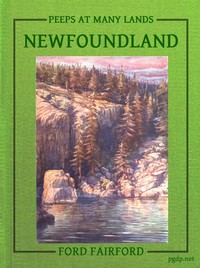
Peeps at Many Lands: Newfoundland by Ford Fairford
Let's be clear from the start: you won't find a thrilling murder mystery or a sweeping romance in these pages. 'Peeps at Many Lands: Newfoundland' is a time capsule, not a thriller. Published in 1908, it's part of a series meant to introduce young British readers to the wider world. Author Ford Fairford writes as a kindly, observant uncle, taking you by the hand for a walking tour of the island.
The Story
There isn't a plot in the traditional sense. Instead, Fairford builds a picture chapter by chapter. He starts with the dramatic arrival by sea, describing the formidable coast. He then wanders through St. John's, noting the wooden houses and busy harbor. The journey continues outward to the fishing 'outports,' those remote communities accessible only by boat. He describes the backbreaking work of the cod fishery, the simple homes, the community gatherings, and the constant, humbling power of the North Atlantic. He talks about the wildlife, the forests, and even throws in some local legends for color. The 'story' is simply the island itself—its geography, its industry, and its spirit.
Why You Should Read It
I loved this book for its quiet sincerity. Fairford isn't trying to sell you anything or push an agenda. He's just showing you what he sees, and his genuine fascination is contagious. You get a real sense of the people's resilience and dry humor. Reading it today, over a century later, adds a poignant layer. You're seeing a world on the cusp of change, a way of life that has largely vanished. It makes you appreciate the roots of modern Newfoundland. It's not a history lesson; it's a series of snapshots that make history feel personal and immediate.
Final Verdict
This is a perfect, quick read for a quiet afternoon. It's ideal for anyone curious about maritime history, armchair travelers, or people with Newfoundland heritage looking to connect with the past. If you enjoy old National Geographic articles or the quiet charm of a well-written travel diary, you'll feel right at home. Just don't expect car chases. Expect crashing waves, salt spray, and a fascinating look out the window of a bygone era.
This historical work is free of copyright protections. Knowledge should be free and accessible.
Richard Hernandez
4 months agoAs a professional in this niche, the way it handles controversial points with balance is quite professional. A solid investment for anyone's personal development.
Karen Lewis
11 months agoA must-have for anyone studying this subject.
Carol Allen
9 months agoHigh quality edition, very readable.
Nancy Clark
1 year agoHaving read this twice, the clarity of the writing makes this accessible. I would gladly recommend this title.






Michael Hernandez
2 years agoAs a long-time follower of this subject matter, the critical analysis of current industry standards is very timely. Top-tier content that deserves more recognition.